Craft
2 min read
The Second Draft Is the First Honest One
My first drafts are for me. The second one is where I find out what I actually think.

By Mara Ellison · Lisbon
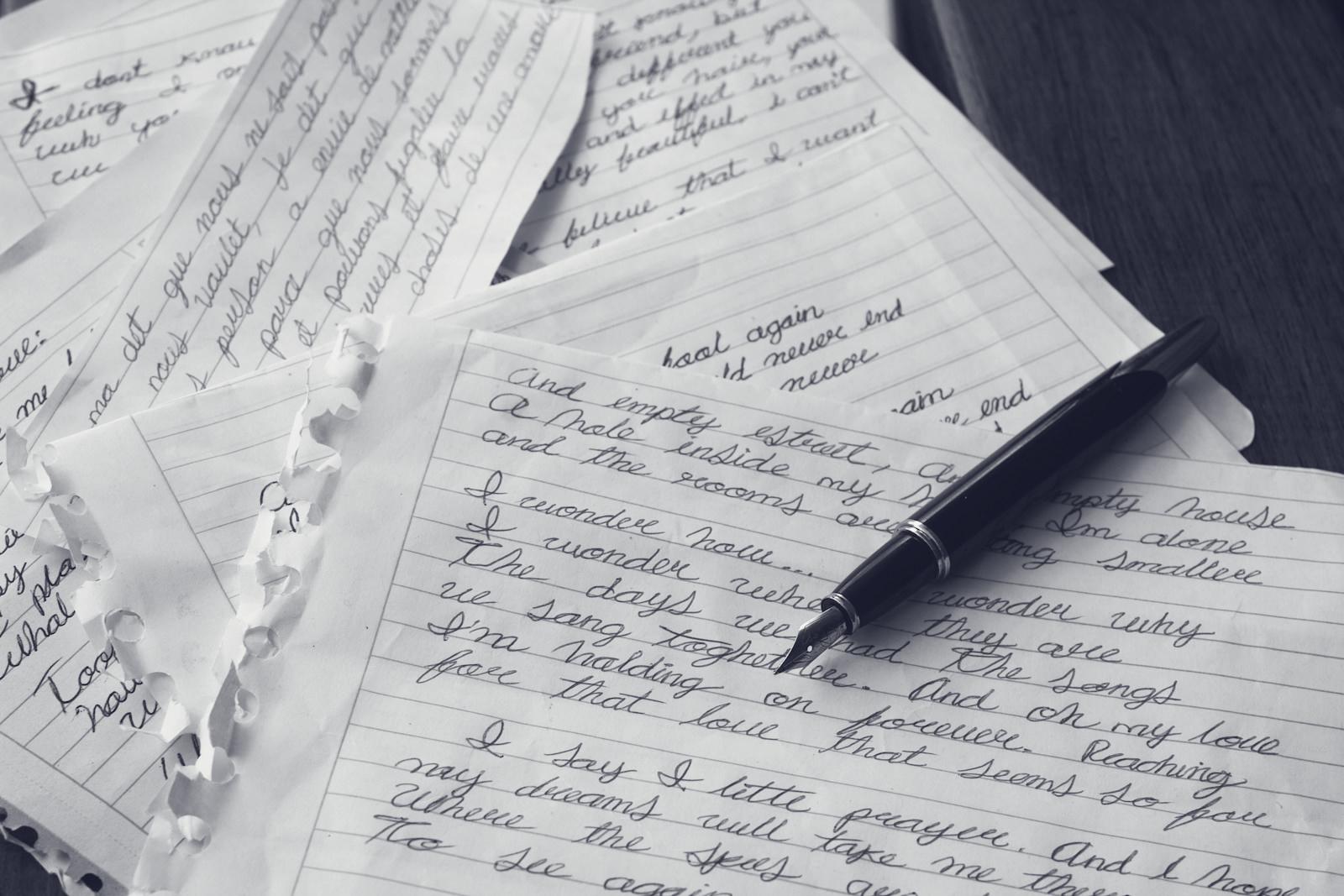
A first draft is a conversation with yourself, and I tend to be a flattering listener. It is full of things I wanted to be true, sentences I liked the sound of, and one idea buried somewhere in the fourth paragraph. The second draft is where I go looking for that idea and cut everything else.[1]
Cutting toward the point
I print the first draft, read it with a pencil, and mark the single sentence I would keep if I could keep only one. Then I rewrite the whole piece around that sentence. It is almost never the opening.
Reading aloud
The second draft gets read out loud, to an empty room if necessary. Every sentence that makes me stumble gets rewritten. Every sentence that makes me wince gets deleted.[2]
Knowing when to stop
There is always a third draft available, and a fourth. I stop when changes start making the piece different rather than better. Pascal apologised for a long letter because he lacked the time to write a short one. The second draft is where I try to find that time.[3]
Notes
The same is true of interfaces. The first version shows what you wanted; the second shows what the person needed.
My neighbours have heard more essays than any of my readers.
Blaise Pascal, Provincial Letters, 1657.
Liked this one?
Get the next essay by email, every other Sunday.
One essay, three notes, nothing else. Unsubscribe with one click.